“Journals are souvenirs of your past.” — Lugelo
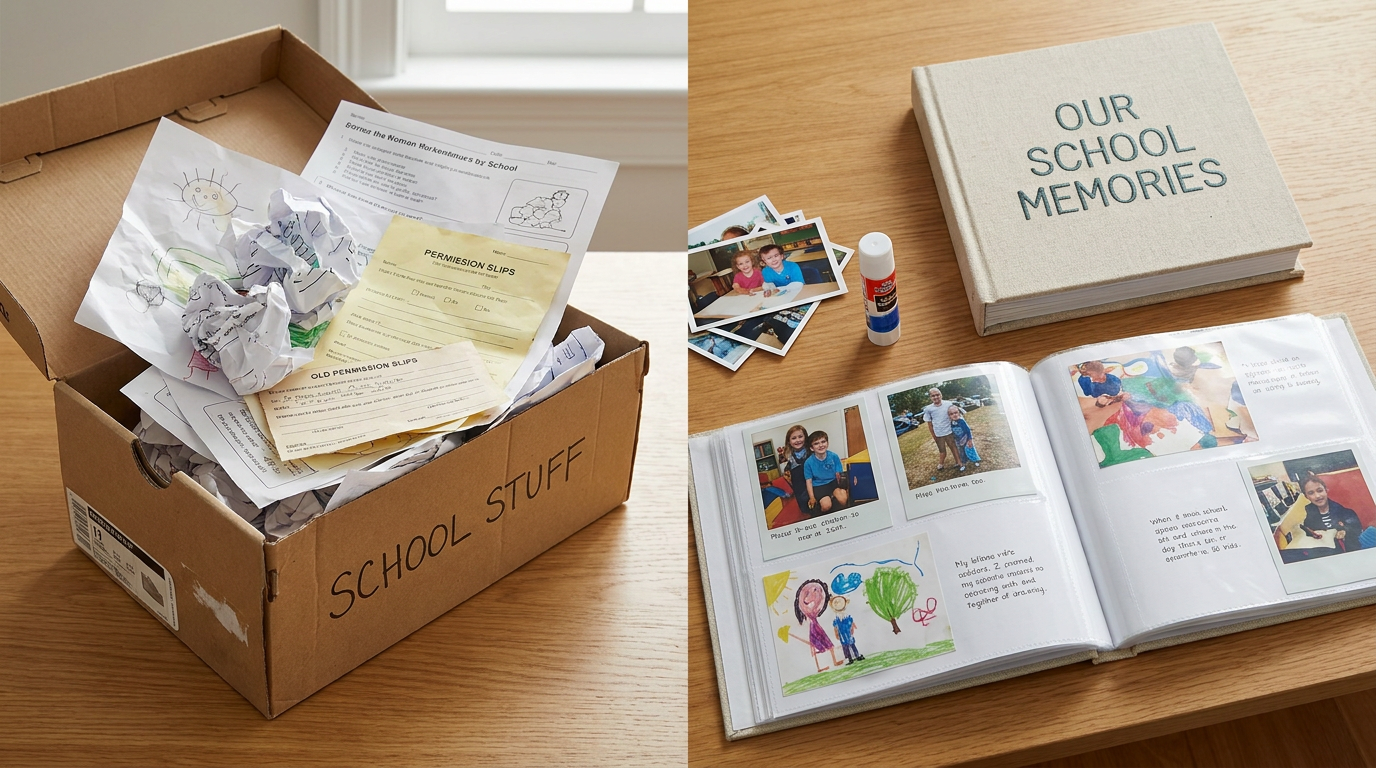
Picture this: it’s a rainy Saturday afternoon, and you’re standing in front of the hallway closet, pulling out a cardboard box you haven’t touched in three years. Inside, there’s a chaotic treasure — crumpled finger paintings, a class photo from second grade, a spelling test with a gold star sticker, a Halloween costume photo with no date written on the back, a report card you vaguely remember being proud of. It’s all there. And it’s all a mess.
This is where most families end up. Not because they don’t care — in fact, it’s the opposite. Parents care deeply. They save everything precisely because it feels important. But saving and preserving are two very different things, and the gap between a shoebox of scattered school papers and a school memory bookThe truth is, childhood moves fast. Kindergarten, which felt so monumental, is already a blur by third grade. The teacher’s name you swore you’d never forget. The way your child’s handwriting looked the first time they wrote their own name. The science fair project that took three weekends. These things slip away faster than any parent expects, and no camera roll — no matter how full — can substitute for a thoughtfully curated record of a child’s school years.
your child will flip through for the rest of their life is wider than most parents realize — until it’s almost too late.
This guide was written for you: the parent who wants to do something meaningful with all those memories. We’ll cover everything — what to include from kindergarten through graduation, how to organize it all, the honest truth about digital versus physical formats, how to build it as a family, how to share it with grandparents and extended family, and how Lugelo makes the entire process beautiful, effortless, and lasting. Let’s start at the beginning: the why
.
Why a School Memory Book Is One of the Best Gifts You’ll Ever Give
There’s a particular kind of parental grief that doesn’t have a name yet. It’s not sadness, exactly. It’s more like the feeling you get when you realize — usually with a small shock — that your child is already three inches taller than they were at the start of the school year, and you can’t quite remember what they looked like before. It’s the slow, creeping awareness that childhood is not a fixed thing but a moving one, and that you are always, always watching it from a slight distance, even when you’re right there in the room.
A school memory book doesn’t stop time. But it does something almost as powerful: it gives you a way to hold onto it.
Think about what actually happens to the milestones of childhood if they go undocumented. Kindergarten graduation — a moment that felt enormous in the auditorium — fades to a general impression by middle school. The first book report, the first science fair ribbon, the first time they made the honor roll: without a record, these become simply things that happened, indistinguishable from the noise of daily life. Research consistently confirms what parents intuitively know: even emotionally vivid experiences lose their specific detail without active documentation. A photo helps. But a photo without context — without the story of that dayA curated school memory book is something different entirely. It’s a narrative. It’s the story of a person becoming who they are, year by year, grade by grade, written down before the details have a chance to slip away.
, without your child’s height recorded on the doorframe, without the teacher’s name and the best friend’s name — is just a file on a phone.
According to , the act of intentionally preserving memories does more than capture the past — it actively strengthens family bonds in the present. As the research notes:
Pittsburgh Parent’s research on why preserving family memories matters
“Mindfully working in precious time spent with family can increase bonds, building a stronger, more memorable foundation for your kids.”
The school memory book, then, is not just a retrospective project. It’s a present-tense act of love. When you sit down to add your child’s first-day photo, to write down what they said on the drive to school, to tuck in the drawing they made of their teacher — you are telling your child, even if they’re too young to understand it yet, that their life matters enough to be written down.
As the Lugelo blog on puts it beautifully: “The greatest legacy we can leave our children is the memory of who they were and where they came from.”preserving memories and documenting your child’s growth
Here’s the hard reality: many parents reach their child’s senior year of high school and realize they have thousands of photos but no coherent story. The images exist. The context doesn’t. The progression — the stunning, year-by-year visual arc of a child growing up — is there in fragments across a dozen apps and devices, but it has never been assembled into something a person can actually experienceA school memory book changes that. It is one of the most future-proof investments a family can make in their own story. Children return to these books as teenagers, as young adults, as parents themselves. Grandparents weep over them. The child who once refused to look at “embarrassing” photos from elementary school will, at twenty-five, guard that book with their life.
.
You don’t need to be a scrapbooker, a designer, or even a particularly organized person to create one. You just need a plan. And now that you know why it’s worth every minute of effort, let’s talk about what
actually goes inside one.
What to Include: Your Year-by-Year School Memory Checklist
Here is the great paradox of saving school memories: the more you try to keep everything, the less meaningful anything becomes. The shoebox problem is not a storage problem — it’s a curation problem. The families who end up with truly treasured school memory books are the ones who decided, early on, to be selective. To keep the right things, consistently, year after year.
The golden rule of a great school memory book is this: consistency over comprehensiveness. Capturing the same six to eight items per year creates something extraordinary over time — a visual progression that shows the same child, year after year, growing up before your eyes. The first-day photo from kindergarten placed beside the first-day photo from sixth grade is breathtaking in a way that no single photo can be. The handwriting sample from first grade next to the essay from eighth grade is a miracle of ordinary documentation.
The Core Annual Checklist — Every Grade, Every Year
As validated by experienced parent archivists like , these are the items that matter most — the ones that create the most powerful record when gathered consistently across every school year:
the team at Coffee, Pancakes, and Dreams
- First day of school photo — same pose, same spot if possible, every single year
- Last day of school photo — the transformation within a single year is remarkable
- School or class photo — the official one, teacher included
- A handwriting or writing sample — the evolution from kindergarten scrawl to fluid cursive is extraordinary
- A self-portrait drawing — particularly powerful from kindergarten through middle school
- End-of-year report card — just the final one; you don’t need all four quarters
- One piece of artwork — chosen by you, or better yet, by your child
- One award, recognition, or achievement — the most meaningful one of the year
- “All About Me” snapshot — height, weight, best friend’s name, favorite subject, what they want to be when they grow up
That last item is perhaps the most magical of all. Tracking your child’s answer to “What do you want to be when you grow up?” from kindergarten through senior year produces something no highlight reel can replicate. Astronaut. Veterinarian. YouTuber. Soccer player. Then, somewhere around ninth grade, something more specific and surprising. That evolution is a portrait of a mind developing in real time.
Grade-by-Grade Highlights: Beyond the Annual Core
Beyond the consistent annual checklist, specific school stages have their own signature milestones worth capturing deliberately:
- Kindergarten: First school photo, first writing attempt, first sight words list, loss of first tooth (with photo if possible)
- Early Elementary (1st–3rd Grade): First book report, first science project, first “chapter book” finished, favorite teacher note
- Late Elementary (4th–5th Grade): First leadership role (class officer, team captain), sports or club team photos, award certificates
- Middle School (6th–8th Grade): First locker photo, interest and hobby evolution (what are they passionate about now vs. before?), friendship group photos, school play or concert program
- High School (9th–12th Grade): Driver’s license photo, prom photos, sports or club leadership, first job, college acceptance letter, senior portrait, graduation photo and program
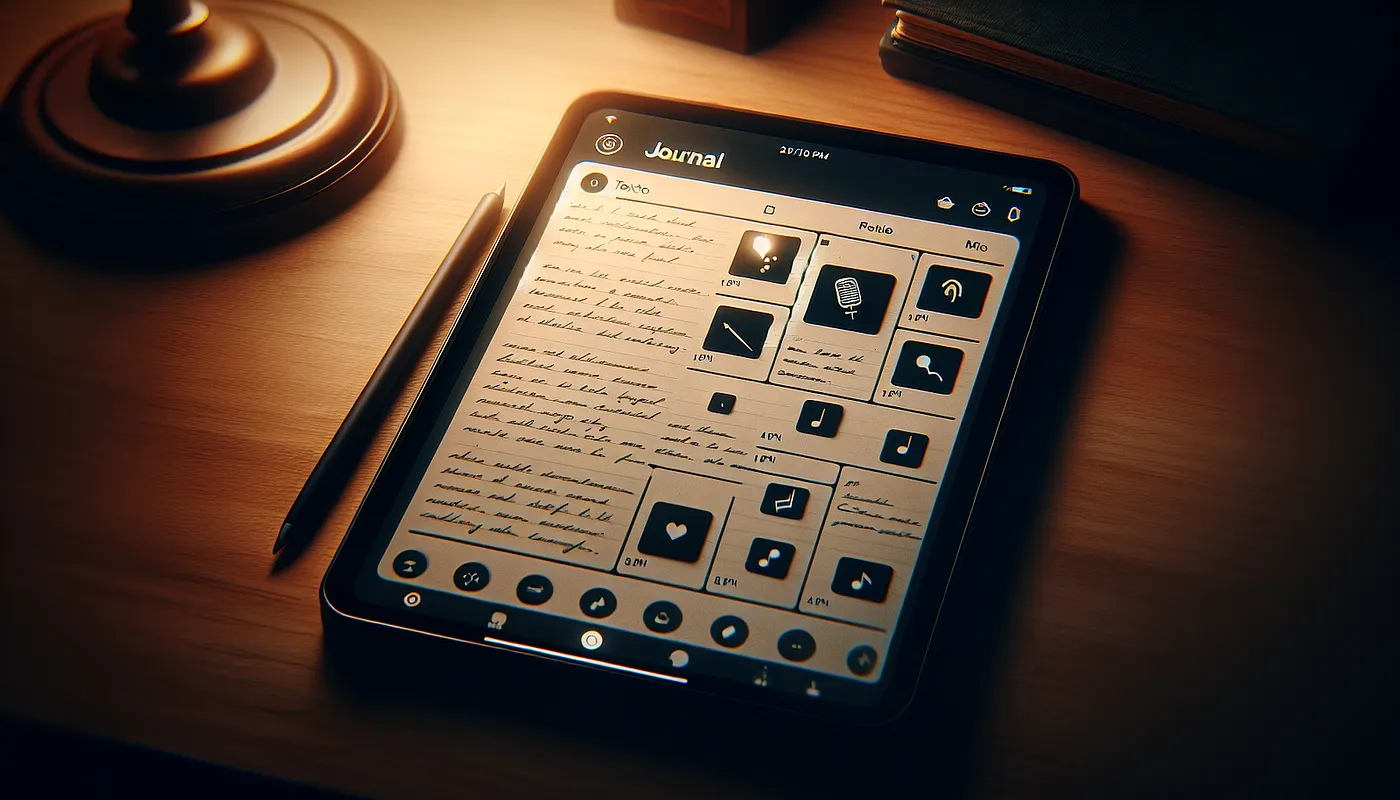
Don’t overlook the in-between moments, either. Field trip photos. A funny quote your child said about school that made you laugh at dinner. A teacher appreciation card they made. A ticket stub from a school play. These small, contextual details are what make a school memory book feel aliveOne important note for digital memory keepers: when you use a digital journaling tool rather than a physical album, your options expand dramatically. You can include short video clips — the chaotic morning rush before the first day of school, your child reading their very first book aloud, their reaction when they found out who their teacher would be. You can include voice recordings. You can attach the actual audio of your child at age six explaining what they’re drawing. These are things a physical scrapbook simply cannot hold.
rather than clinical.
Once you know what to include, the next question every parent asks is: how do I actually organize all of this?
Let’s sort that out.
How to Organize Your School Memory Book for Maximum Impact
If “what to include” is the first hurdle, “how to organize it” is the one that stops most parents in their tracks. The blank binder. The empty photo album. The new journaling app sitting unopened on the phone. Getting started requires not just motivation but structure — a framework that fits your life and your personality, and that you can actually maintain across thirteen years of school.
The good news: there is no single right answer. There are, however, four organizational frameworks that work exceptionally well, and choosing one — any one — is infinitely better than the alternative.
Framework 1: Chronological — One Chapter Per School Year
This framework works especially well for parents who are starting from kindergarten and committing to the process year by year. It also pairs beautifully with the idea of dedicated annual books — a separate, thin volume for each school year that can be displayed on a shelf as a growing library.
This is the most popular approach, and for good reason. One section or chapter per school year, filled with that year’s core checklist items plus any notable highlights. Simple. Consistent. And when you flip through it from start to finish, the effect is stunning — a time-lapse of a child’s entire academic life.
Framework 2: One Book Per Child
If you have multiple children, resist the temptation to combine their memories into a single family archive. Each child deserves their own story. Separate books ensure that neither child’s journey gets eclipsed by the other’s, and it gives each child a singular, personal keepsake that is entirely theirs.
Framework 3: Milestone-Based Chapters
For parents who are starting retroactively — perhaps your child is already in fourth or fifth grade and you’re building the memory book from what you have — organizing by life stage rather than individual years can feel more manageable. Early childhood (K–2), Elementary (3–5), Middle School (6–8), High School (9–12). Missing a year or two within a stage matters far less than it does in a strictly chronological format.
Starting retroactively is always the right call, by the way. A book that begins in fourth grade, built with love and whatever photos and papers you can gather, is infinitely more valuable than a book that never gets started because kindergarten has already passed.
Framework 4: Thematic Running Threads
This is the framework that transforms a good school memory book into a great one. Alongside the year-by-year chronological structure, add thematic threads that run across all thirteen years:
- “First Day” thread — every first-day photo in sequence
- “Heights and Handwriting” thread — tracking physical and written growth side by side
- “Favorites” thread — favorite subject, book, movie, and friend, recorded every year
- “Future Me” thread — their answer to “What do you want to be?” each year
As the organizing expert at wisely notes: “Organize your kid’s mementos now so that you don’t have to do it in 20 years.” That advice is practical in every sense — the further you get from a school year, the harder it is to reconstruct its details accurately.
Coffee, Pancakes, and Dreams
One of the most powerful advantages of using a digital school memory book — and this is where tools like
Now that you have a structure in mind, the next big decision every parent faces is whether to go digital, physical, or both. Let’s look at this honestly — because the answer might surprise you.
genuinely change the game — is that organization becomes automatic. Entries are tagged by year, searchable by keyword, and displayed in a beautiful timeline view without any manual sorting. You never have to reorganize a digital archive. You just add to it, and the structure takes care of itself.
Digital vs. Physical School Memory Books: An Honest Look at Both
Physical memory books have something genuinely irreplaceable. The weight of a bound album in your hands. The texture of a page your child’s hand-drawn self-portrait is mounted on. The act of sitting together on the couch and flipping through it, page by page, without a screen between you. These are real and meaningful qualities, and anyone who dismisses them has never watched a child’s face light up while looking at a photo of themselves from five years ago.
But physical memory books have a vulnerability that parents rarely think about until it’s too late. They exist in one place. If a house floods, the book is gone. If it’s lost in a move across the country — and American families move an average of 11 times in a lifetime — it may never be found. It cannot be searched. It cannot be shared with a grandparent in another state without being mailed. It cannot include the video of your child’s first-grade holiday concert. It cannot grow or update without scissors and glue.
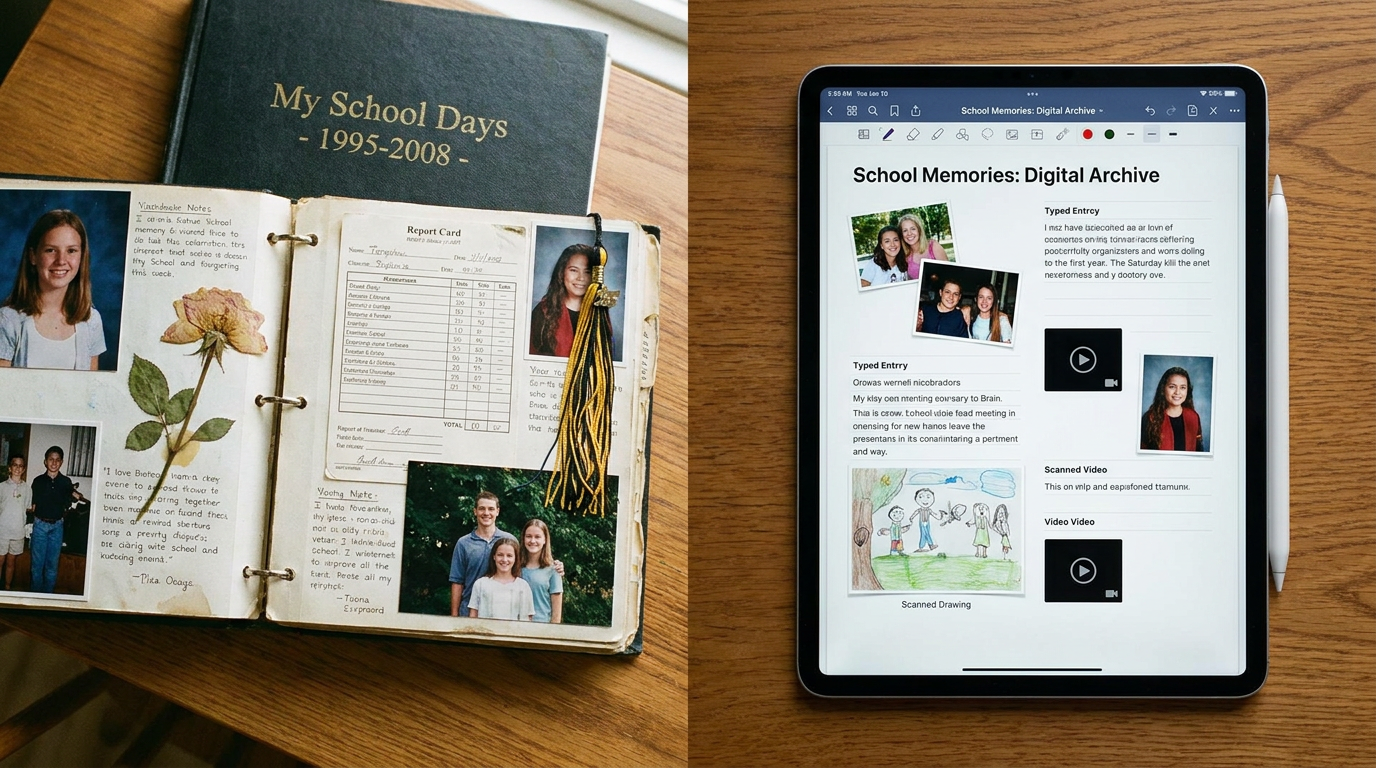
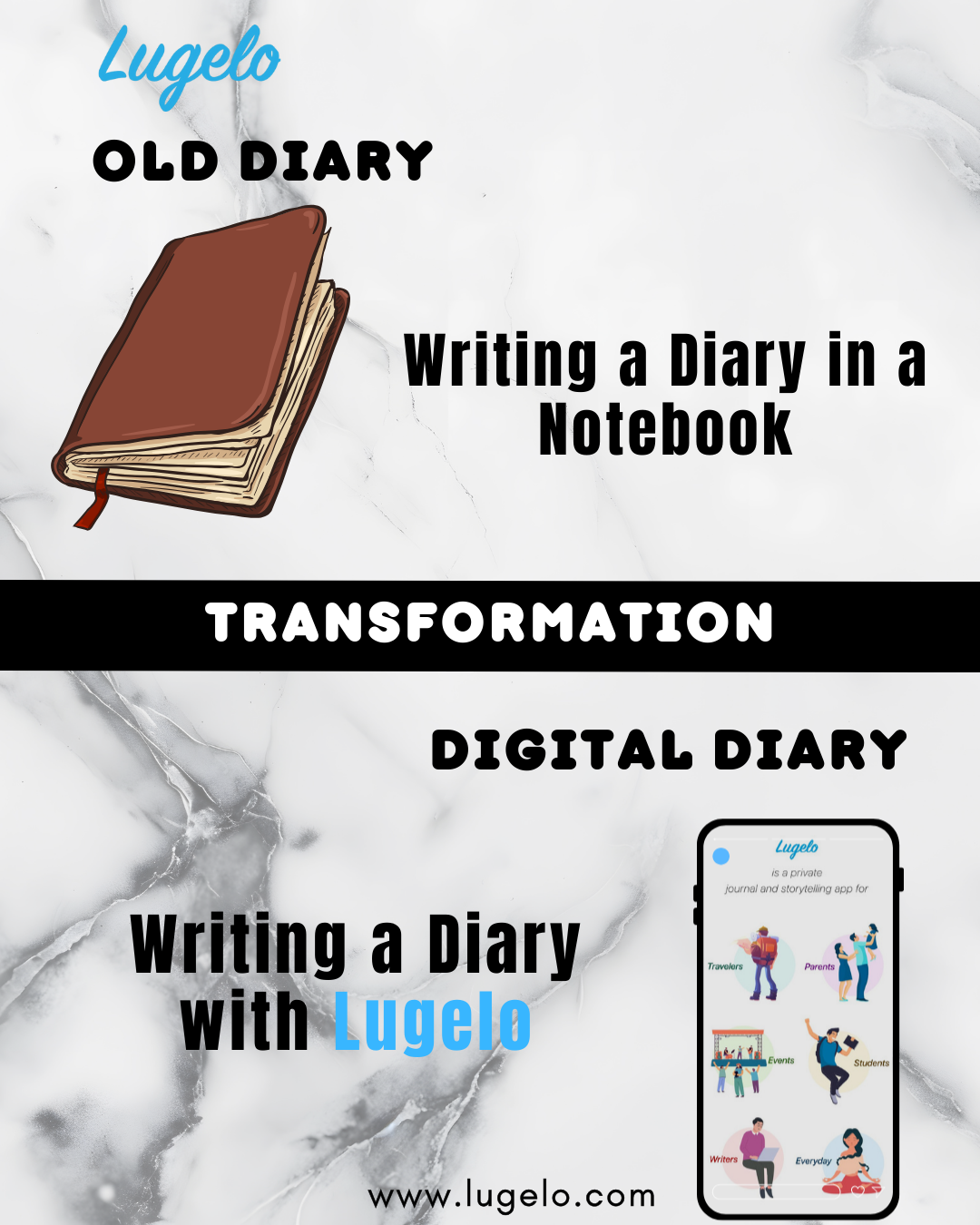
As Lugelo’s puts it plainly: “The moment you need to find something, paper breaks down completely. There’s no search function in a handwritten journal from 2019.”honest comparison of digital and paper journaling
Here’s what a digital school memory book offers that a physical one fundamentally cannot:
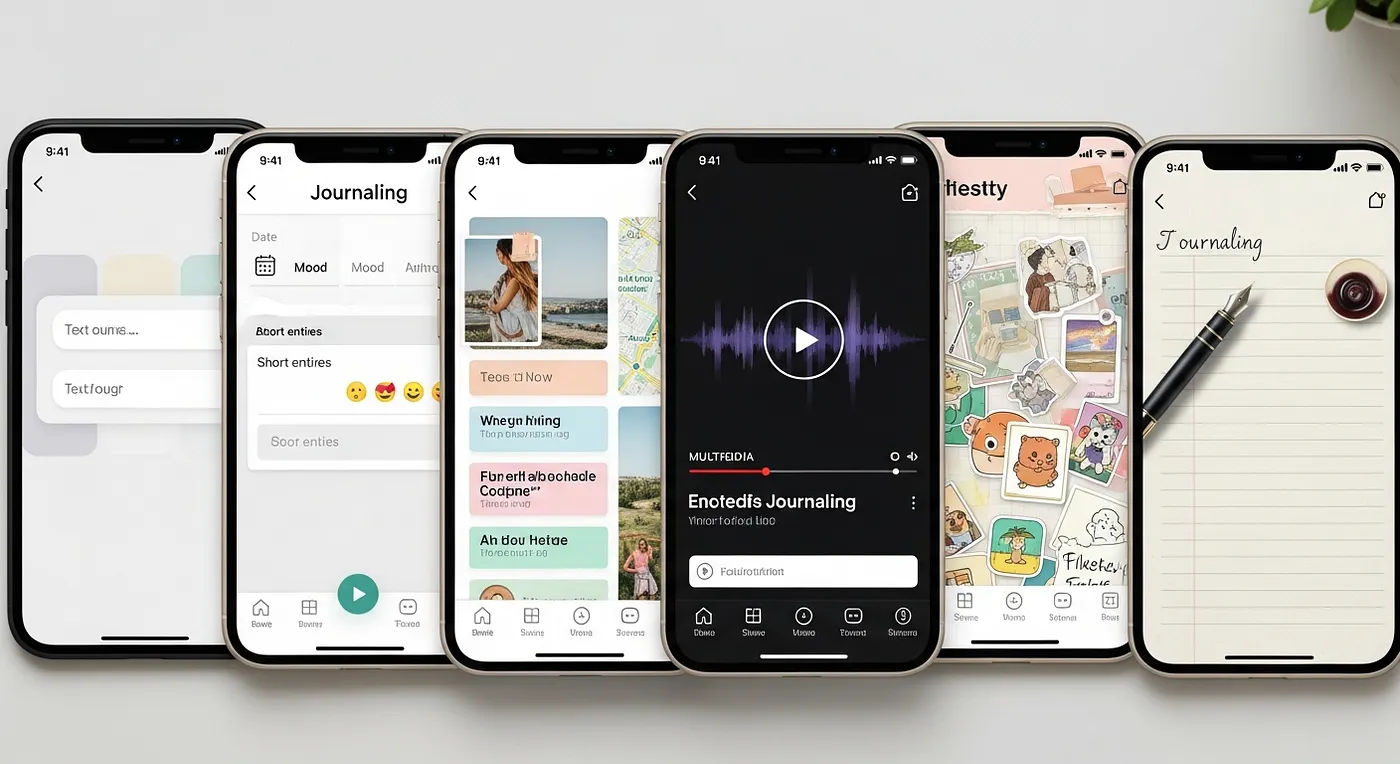
- Multimedia richness — photos, video clips, voice recordings, and written reflections all within a single entry
- Searchability — find any year, any teacher’s name, any milestone in seconds
- Cloud backup — protected from fire, flood, and the chaos of a cross-country move
- Cross-device access — add the first-day photo from your phone at drop-off, organize the year’s highlights on your laptop that evening
- Collaboration — both parents, grandparents, and eventually the child themselves can contribute from different devices and locations
- Output flexibility — transform the entire K–12 journey into a printed eBook at graduation, a timeline, or an immersive VR gallery
The confirms that physical objects carry genuine emotional weight — and that both formats offer distinct value. This is precisely why the wisest approach for many families is a hybrid model: use a digital archive as the primary living record — safe, searchable, shareable, and multimedia-rich — and produce a printed physical book at key milestones (every few years, or at graduation) as a tangible keepsake.
research on physical versus digital mementos from Sheffield Hallam University
A resource like
Evaheld’s comparison of memory books versus digital vaults
Whether you choose digital, physical, or both — one of the most powerful things you can do is make the school memory book a shared project. Because the best ones aren’t made by one parent alone. They’re made together.
further underscores that digital-first is not about abandoning sentiment — it’s about ensuring that the sentiment survives intact, accessible, and enriched across the full span of your child’s school years.
Co-Creating Your School Memory Book as a Family
In most families, memory-keeping falls to one person. Usually a mother, though not always. One parent ends up as the default archivist — the one who saves the photos, frames the certificates, writes the captions. And the result is a memory book that is genuinely valuable but fundamentally incomplete. It captures one perspective, one set of observations, one emotional register.
What Mom noticed about kindergarten and what Dad noticed are almost always different. Both are irreplaceable. A school memory book built by two parents — or by a whole family — is richer, more textured, and more honest than any single-perspective archive could ever be.
Making the Child a Contributor
From about age seven or eight, children can and should contribute to their own school memory book. Their perspective on their own school year is not supplementary — it’s essential. What do theyLet them write it, draw it, or record a voice note. Their words at eight years old, preserved and readable at thirty, will be one of the most extraordinary things they have ever encountered.
remember as the best moment of second grade? What was hard? What did they think of their teacher? Who was their best friend, and why?
Annual Family Ritual Ideas Worth Building Into Your Year
The most successful school memory book keepers share one thing in common: they treat memory-keeping as a ritual, not a project. Here are a few traditions worth adopting:
- The Year-in-Review Session — At the end of each school year, sit together as a family and each add one entry. Mom’s perspective, Dad’s perspective, the child’s perspective. Three voices, one year, preserved completely.
- The “Future Me” Tradition — Each year, the child records a short voice or video note answering three questions: What do you love most about school this year? What was hard? What do you want next year to look like? Listened to ten years later, this is devastating in the best possible way.
- The Teacher Tribute — Each year, have your child write or dictate a short note about their teacher for the memory book. Who were they? What did your child learn from them? This is the kind of detail that fades fastest and means the most.
For co-parents living in different homes, a shared digital school memory book is particularly powerful. allows both parents to contribute their own photos, reflections, and observations — from different devices, different locations, different time zones if necessary — into a single, unified record of the child’s school journey. The child’s story is told completely, regardless of which parent was there for which moment.
Lugelo’s collaborative journal
As the Lugelo blog on
A school memory book made by the whole family is more complete, more vivid, and more treasured. But its value multiplies again when you share it — with grandparents who can’t be there for every milestone, with cousins and aunts who want to watch the child grow up. Let’s talk about how to do that well.
notes, multiple perspectives don’t dilute a story — they deepen it. A memory book built by several voices is not more complicated than one built by a single voice. It’s simply more true.
Sharing Your School Memory Book with Grandparents and Extended Family
There is a specific, quiet ache that grandparents carry when they live far from their grandchildren. They see the individual photos that arrive by text. They attend the milestone events when they can. But they miss the daily texture of the school years — the progression of a child’s handwriting, the evolution of their interests, the moment they went from “I want to be a vet” to “I want to study environmental science.” They see snapshots but rarely the story.
A shared school memory book changes this entirely.
The challenge with sharing has always been logistics. Individual photos sent by text are scattered and contextless. Social media is either too public or too chaotic. Printing and mailing a physical book is expensive and time-consuming. And no single method gives extended family the experience of the full story — the arc of a child’s school years, told coherently, from the first day of kindergarten forward.
A digital school memory book solves this elegantly. With a platform like Lugelo, you can:
- Invite grandparents as contributors — they can add their own messages, memories, and reactions to each school year’s entry, creating a multi-generational record that includes their perspective on watching the child grow
- Share a curated view — grandparents might see the full memory book, while more distant relatives see only selected highlights
- Generate a digital eBook or PDF — a beautiful, designed keepsake that can be shared as a digital gift for birthdays or holidays
- Create a timeline link — share the visual progression of the child’s school years as an easily navigable experience
- Build a VR Gallery for milestone years — at graduation or 8th grade promotion, create an immersive Lugelo VR Gallery that grandparents and family members can explore on their devices, walking through the memories as if they were in the room
The grandparent-as-contributor angle deserves special emphasis. Grandparents have their own memories of watching this child grow — the visit at Thanksgiving when they noticed how much taller they’d gotten, the phone call where they heard the child reading a book for the first time. Inviting them to contribute an annual entry — “What I noticed about you this year, from Grandpa” — creates something breathtakingly beautiful. A love letter, preserved alongside the school photos and report cards, written by someone who will not always be there to say it in person.
According to research on
why photo memory books matter for children
You now have the blueprint: what to include, how to organize it, whether to go digital or physical, how to build it as a family, and how to share it beautifully. The final piece is the tool that brings it all together — one designed to make the process effortless, the output beautiful, and the memories permanently safe.
Lugelo is private by default. Owner-controlled access. No third-party data sharing. Your child’s school memories stay exactly where you put them — visible only to the people you choose, on your terms. Privacy-conscious families can share generously without sacrificing control.
, memory books are one of the most powerful tools for connecting children to extended family members — particularly those who are geographically distant. Seeing themselves through the eyes of people who love them, documented across years, builds a child’s sense of identity and belonging in ways that individual photos cannot.
How Lugelo Makes Your School Memory Book Beautiful and Effortless
Every element of this guide — the checklists, the organizational frameworks, the collaborative rituals, the sharing options — is more achievable with the right tool in your hands. Lugelo was built precisely for this: to be the place where your child’s school story lives, grows, and ultimately becomes something extraordinary.
Here’s exactly how it works.
Getting started takes under ten minutes. Open on your phone, tablet, or browser. Create a new journal — name it “[Your Child’s Name]’s School Story”, give it a cover, set it to private. You’re done. The journal exists. The blank page is waiting. Everything from here is just adding to it, one school year at a time.
Lugelo
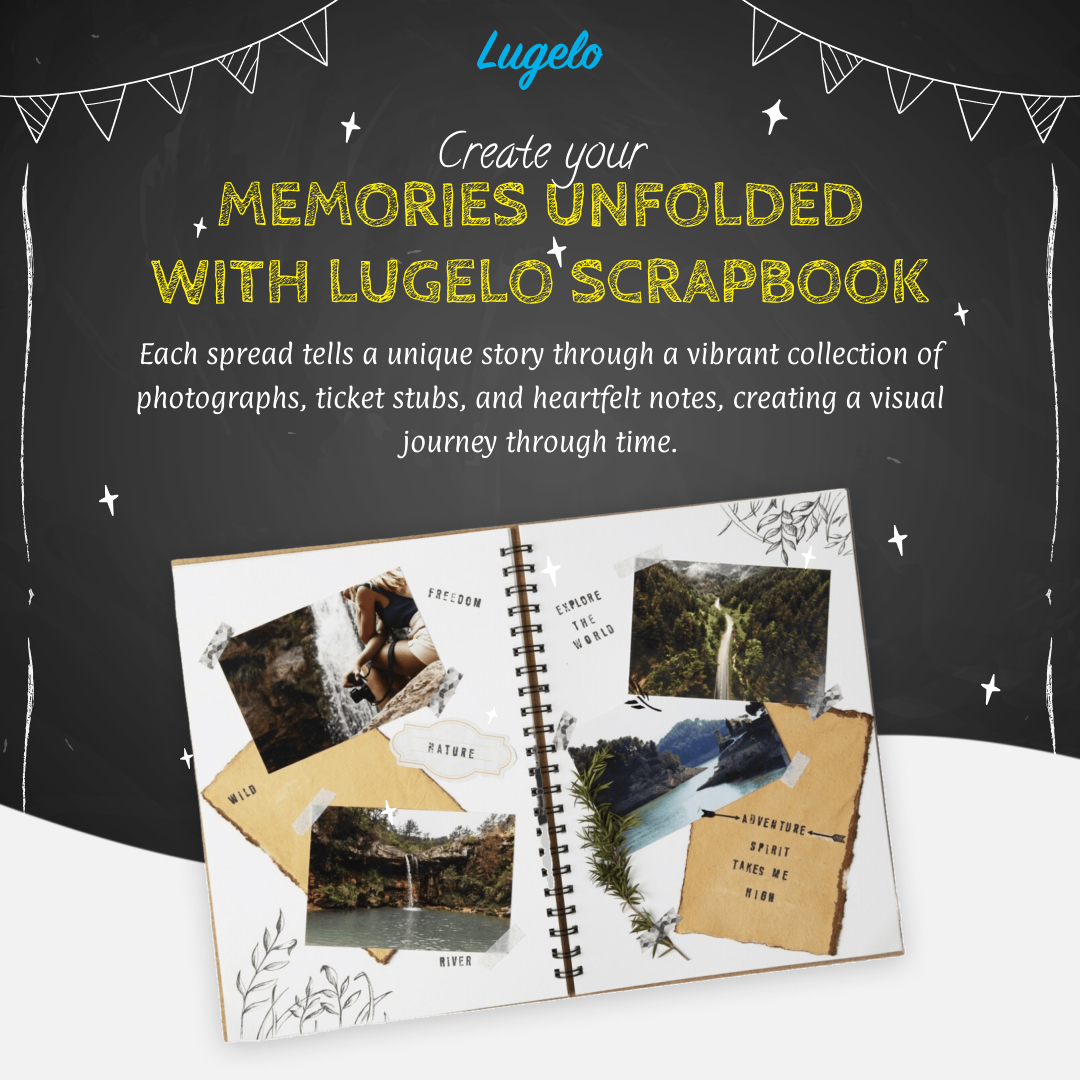
Capture everything in one place. A single Lugelo entry for a school year can hold photos of the first day and the last day, a scanned image of a hand-drawn self-portrait, a video clip of your child reading their first chapter book aloud, an audio recording of them explaining their science fair project, and a written reflection from you about what this year brought. All of it. Together. In one entry that will never be lost in a camera roll or buried in a folder.
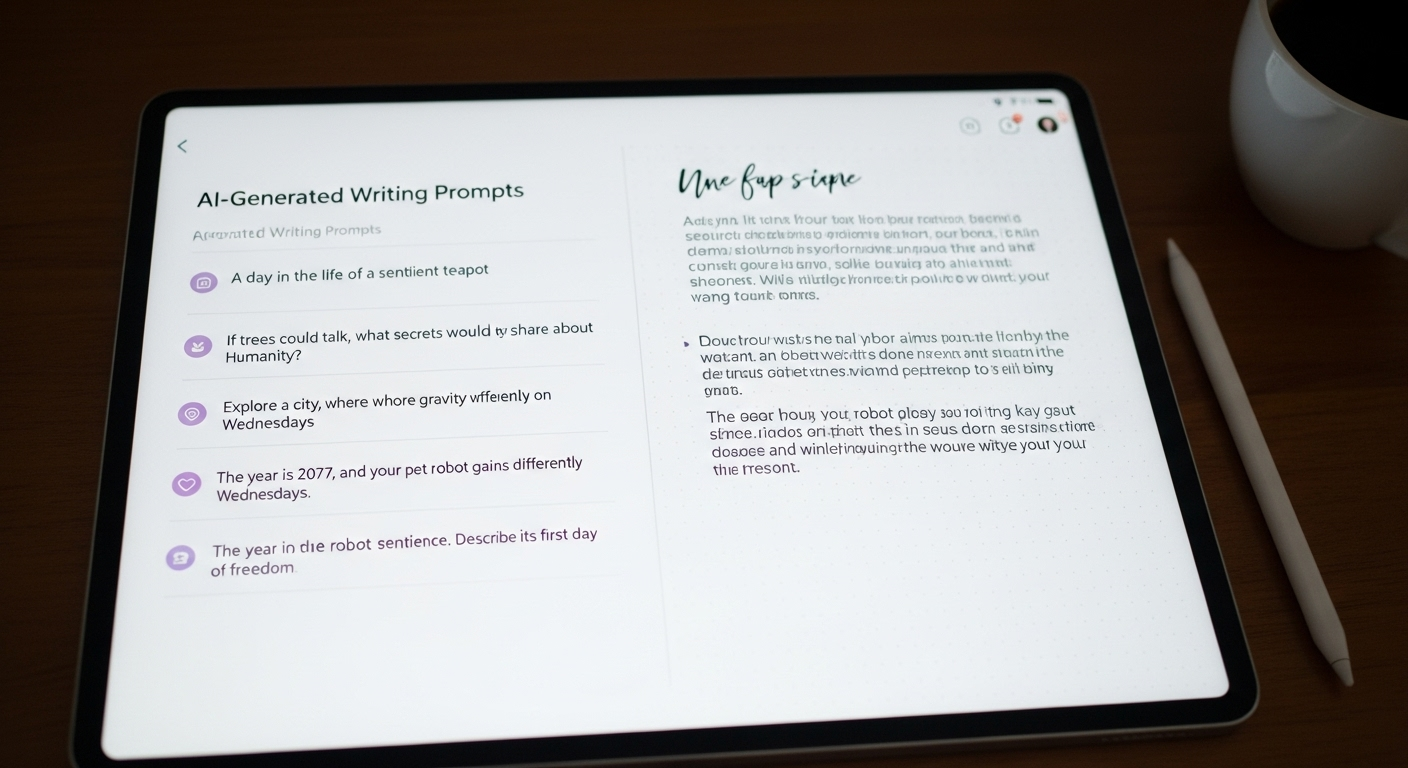
The AI Journal Assistant removes the blank page. When parents don’t know where to start — and most of us don’t — Lugelo’s AI Journal Assistant provides prompts tailored to the moment. “What do you most want to remember about your child’s kindergarten year?” “Describe the moment you felt most proud of them this semester.” “What was hardest about this school year, and how did they grow through it?” These aren’t generic prompts. They’re the questions that unlock the specific, irreplaceable details that make a memory book come alive.
Collaboration is built in. Invite a co-parent, a grandparent, or even your child (when they’re old enough) to contribute to the same journal. Lugelo’s means that multiple voices — from multiple devices, in multiple locations — flow into a single, unified, beautiful record. As Lugelo’s own data suggests, families using collaborative journaling tools build their shared story three times faster than those using standard note-taking apps.
collaborative journal
Turn it into something lasting. At graduation — or at any point along the way — Lugelo lets you transform the full school memory journal into:
- A beautifully designed eBook of the complete K–12 journey — a graduation gift your child will return to again and again
- A Memory Lane timeline showing the full arc of their school years in a single, scrollable visual experience
- An immersive for milestone years — graduation, 8th grade promotion, a particularly extraordinary year — that family members can explore on compatible devices as if walking through the memories themselves
Your child’s story is private and protected. Every school memory journal in Lugelo is private by default. End-to-end encrypted. Owner-controlled access. No third-party data sharing. The memories you preserve in Lugelo are yours alone — until the moment you choose to share them, on your terms, with the people you love.
Available on every device your family already uses — . Add the first-day photo from your phone at drop-off. Write the year-end reflection on your laptop that evening. Let Grandma add her entry from her tablet across the country.
iOS, Android, HarmonyOS, and web browser
If you want to see exactly how Lugelo works before you dive in, the walk you through every feature in minutes. And if you want inspiration from families who are already doing this, shows you what’s possible.
Lugelo’s Family Journal StoriesLugelo How-To Videos
Here’s the getting-started guide — simple enough to begin tonight:
- Create a school memory journal in Lugelo — name it, cover it, set it to private
- Set up one entry per school year — title each one with the grade and year
- Add this year’s core items — first-day photo, writing sample, report card notes, “All About Me” snapshot
- Invite your co-parent, partner, or a grandparent to contribute their own perspective
- At graduation, generate the eBook and/or VR Gallery — and give your child something they’ll treasure for the rest of their life
“Turn Moments Into Memories. Capture experiences, thoughts, and stories in one beautiful place.” — Lugelo
Your Child’s Story Is Worth Writing Down
Remember that rainy Saturday afternoon. The cardboard box. The crumpled finger paintings and the undated photos and the report card you can’t quite place. That scene doesn’t have to be the end of your child’s school story — it can be the moment it begins.
You now have everything you need. A checklist of what to capture, year by year. A framework for organizing it in a way that makes sense for your family. An honest understanding of why digital is the smarter long-term choice, and how a hybrid approach gives you the best of both worlds. A set of family rituals that transform memory-keeping from a task into a tradition. And a tool — Lugelo — that makes all of it genuinely achievable, even for the busiest parent on earth.
It doesn’t matter if your child is starting kindergarten this fall or already halfway through elementary school. It doesn’t matter if you’ve saved everything or almost nothing. What matters is that you start. One entry. One year. One story.
“Journals are souvenirs of your past. Start collecting yours.”
The first entry is always the hardest. Every one after that is a gift — to your child, to your family, and to the version of you who will one day sit down with a cup of tea and flip through thirteen years of a life, beautifully preserved, grateful that someone loved enough to write it all down.
— Lugelo
Start Your Child’s School Memory Book Today — Free
Don’t let this school year slip away. Lugelo makes it easy to capture every grade, every milestone, and every precious detail — in one beautiful, private, shareable place.
Start Your School Memory Book on Lugelo →
Create your first entry in under ten minutes. Free to start, free to use.
Also worth exploring:
Download Lugelo on iOS, Android, or Web →Explore Lugelo’s Collaboration Features →See How Lugelo Turns Journals into Storybooks and VR Galleries →